
The Ultimate Guide to Fall Weather for Planting and Nurseries

As the seasons change and summer’s heat fades, fall emerges as an ideal time for planting and gardening. The combination of warm soil, cooler air, and increased moisture creates a perfect environment for plants to thrive. In this article, we’ll explore the benefits of fall weather for planting and nurseries, and provide tips for making the most of this season.
Advantages of Fall Planting
Optimal Root Growth
The warm soil and cooler air temperatures in fall promote healthy root growth, allowing plants to establish themselves before winter.
Increased Moisture
Fall rains and reduced evaporation due to cooler temperatures mean plants require less watering, reducing stress and promoting growth.
Less Stress on Plants
The stress of transplanting is reduced in the fall, as plants are not subjected to the intense heat and dryness of summer.
Better Soil Preparation
Fall planting allows for better soil preparation, as the soil is generally easier to work with when it’s not frozen or waterlogged.
What to Plant in the Fall

Trees and Shrubs
Fall is an excellent time to plant trees and shrubs, as they have time to establish themselves before winter.
Perennials
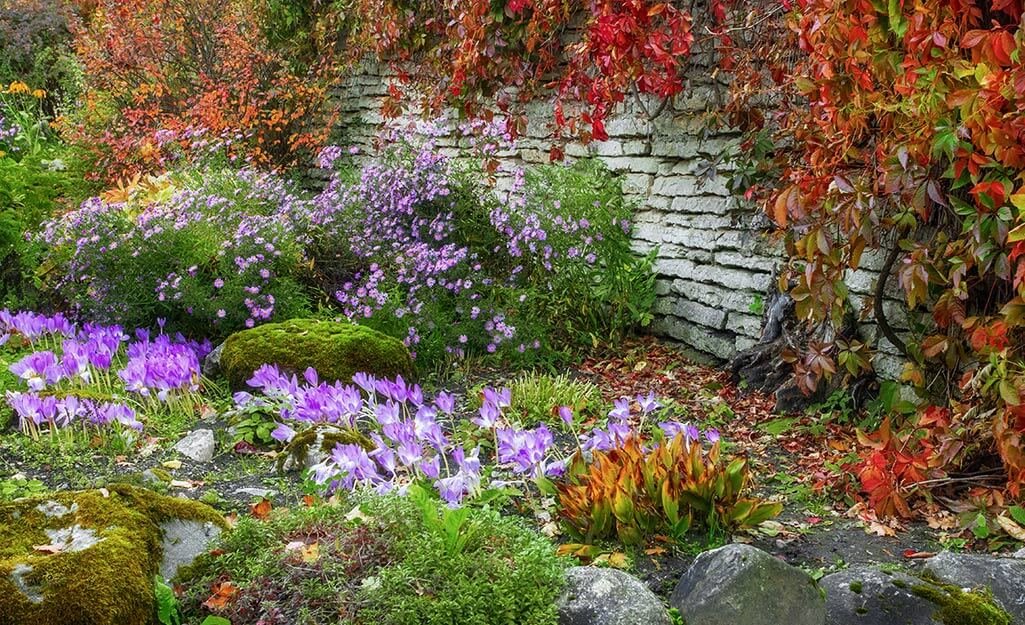
Many perennials, such as asters, chrysanthemums, and sedum, do well when planted in the fall, giving them a head start on the growing season.
Bulbs
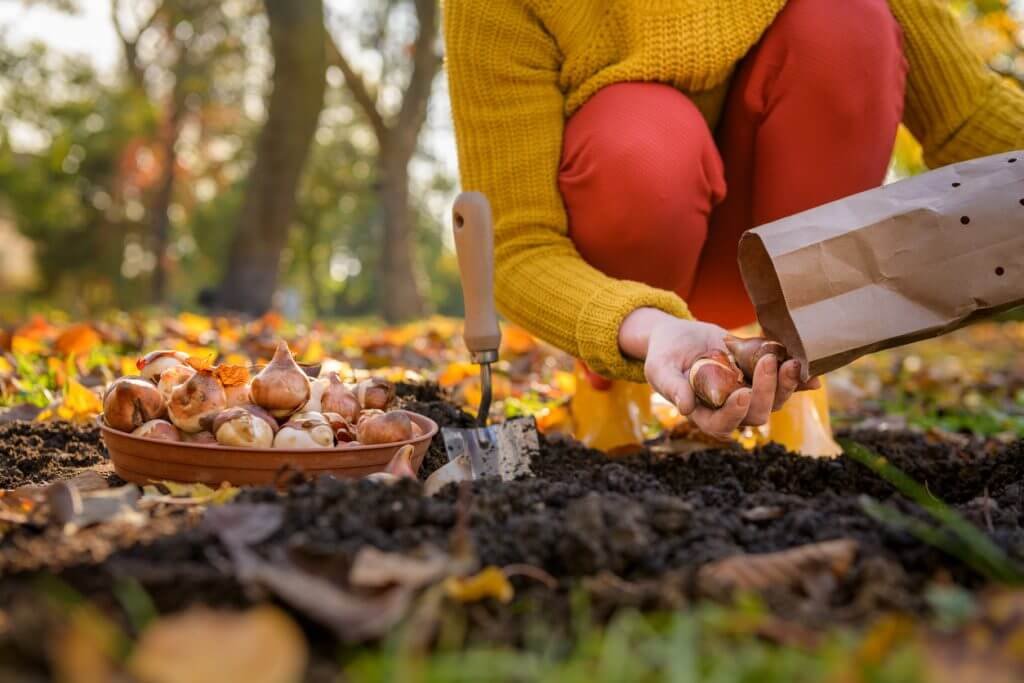
Plant bulbs like tulips, daffodils, and crocuses in the fall for a vibrant display of color in the spring.
Vegetables
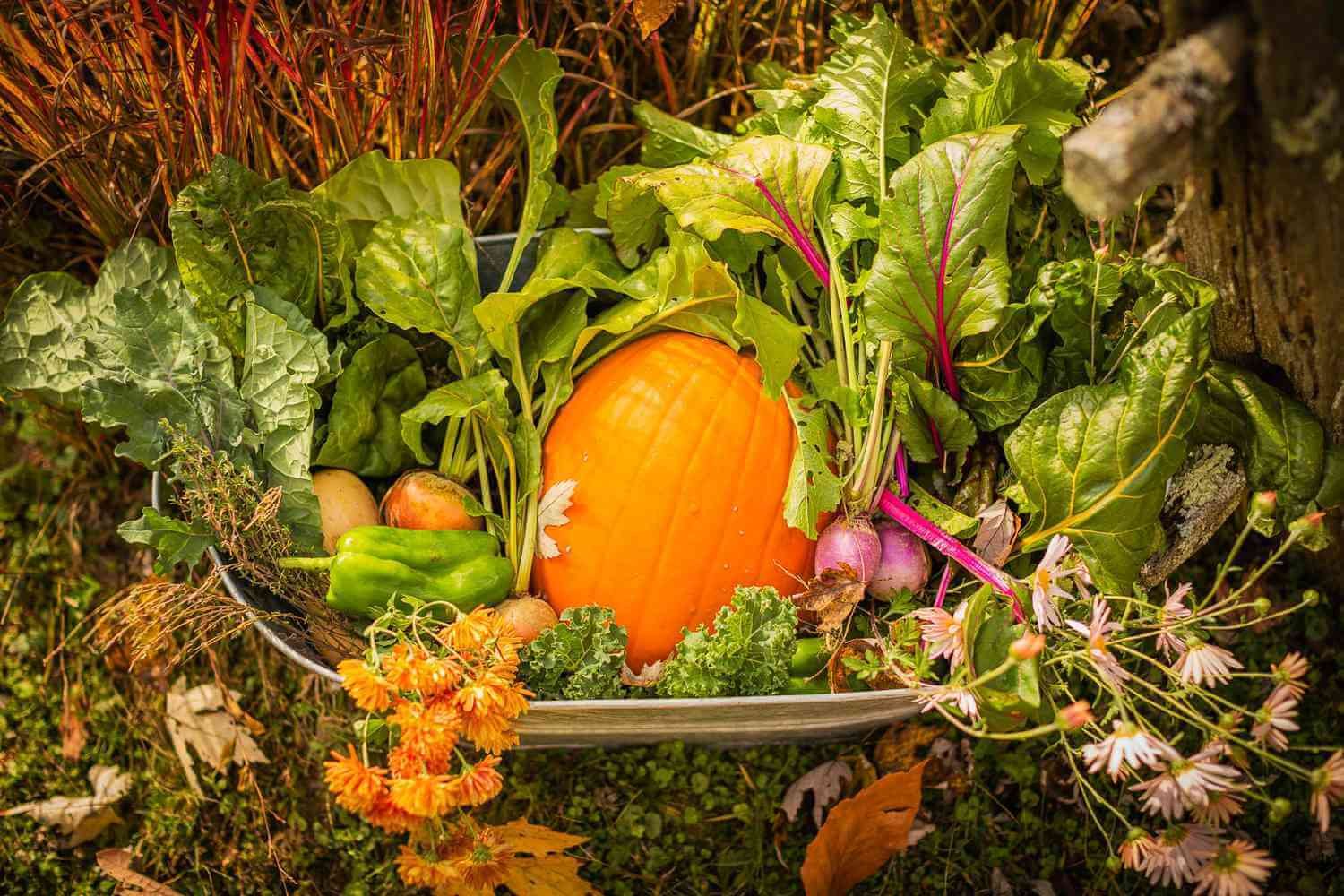
In warmer climates, fall is a great time to plant cool-season vegetables like broccoli, kale, and carrots.
Tips for Successful Fall Planting
-
Plant at the Right Time: Plant at least 4-6 weeks before the first frost date in your area. Check your local frost dates.
-
Choose Healthy Plants: Select plants with a good root system and no signs of disease or pests.
-
Prepare the Soil: Add organic matter like compost or well-rotted manure to improve soil structure and fertility.
-
Water Well: Water plants regularly, especially during their first year, to ensure they establish a strong root system.
Fall Planting in Illinois
Benefits of Fall Planting in Illinois
-
Perfect Root Development: Warm soil and cooler air temperatures help plants establish deep root systems, setting them up for explosive growth in the spring.
-
Less Heat, Less Stress: Milder temperatures mean plants require less frequent watering, reducing water bills and keeping your landscape healthy.
-
Fewer Pests and Diseases: Many insects, weeds, and plant diseases start to disappear in the fall, giving your landscape a head start.
-
Less Watering, More Savings: Cooler temperatures result in less evaporation, keeping your landscape healthy while saving you money.
What to Plant in Illinois During Fall
-
Trees and Shrubs: Plant trees and shrubs until the ground freezes, usually around mid-November or December.
-
Perennials: Choose perennials like asters, chrysanthemums, and goldenrod, which can establish themselves before winter.
-
Bulbs: Plant bulbs for spring blooms in mid-September through October, about 6-8 weeks before the ground freezes.
-
Vegetables: Plant cool-season crops like kale, broccoli, lettuce, and spinach 6-8 weeks before the first frost date (around October 15 for Zone 5).
Illinois Weather Considerations
Illinois has experienced dry weather, especially in southern regions, so be prepared to provide adequate moisture for newly planted trees and shrubs. Keep an eye on weather forecasts, as temperature fluctuations can impact plant growth and survival.
Care & Nursery Benefits
Caring for Plants in the Fall
-
Mulch: Apply a layer of mulch to retain moisture, suppress weeds, and regulate soil temperature.
-
Watering: Reduce watering frequency as the weather cools, but ensure plants receive consistent moisture.
-
Fertilizing: Fertilize plants in the fall to promote healthy growth and establishment before winter.
Benefits for Nurseries
-
Increased Sales: Fall is a prime time for gardeners looking to plant trees, shrubs, and perennials.
-
Better Plant Selection: Nurseries can offer a wide selection of mature plants ready for fall planting.
-
Workshops & Education: Host workshops on fall planting to attract customers and build loyalty.
Common Mistakes to Avoid
Planting Too Late
Planting too close to the first frost gives plants insufficient time to establish roots.
Insufficient Watering
Failing to provide adequate moisture, especially for evergreens, can lead to plant failure.
Inadequate Soil Prep
Poor soil leads to reduced growth and increased susceptibility to disease and pests.
Conclusion
Fall is a great time to plant a variety of trees, shrubs, and perennials, and with the right care, they will thrive come spring. By following the tips outlined above and taking advantage of the benefits of fall weather, gardeners and nursery professionals can enjoy a successful and rewarding growing season.
Additional Resources
USDA Hardiness Zone
A useful tool for determining which plants are suitable for your area. Visit the map
Local Nurseries
Visit local nurseries for expert advice and a wide selection of plants for your region.
Gardening Resources
Check out online resources and books for more in-depth information on fall planting.