
How to Make Compost to Use in the Garden
How to Make Compost to Use in the Garden
Improve your garden, help your plants flourish, and reduce your environmental impact.
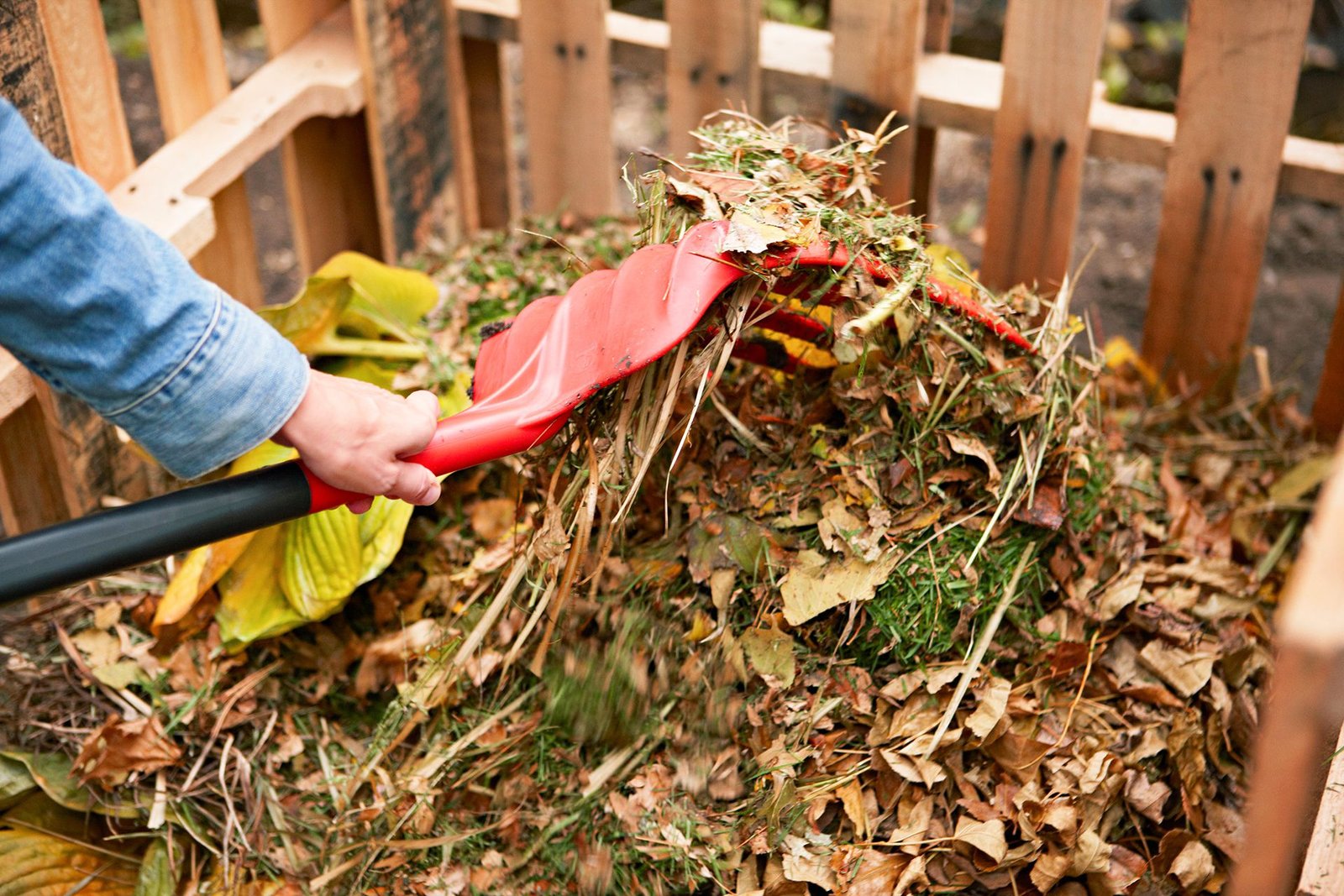
Making compost is an easy way to improve your garden, help your plants flourish, reduce your environmental impact, and save money. Compost is basically just yard waste that’s breaking down through natural biological processes. These processes are the same as those that build up and enrich soil all over the world.
The Benefits of Composting
Healthier Soil and Plants
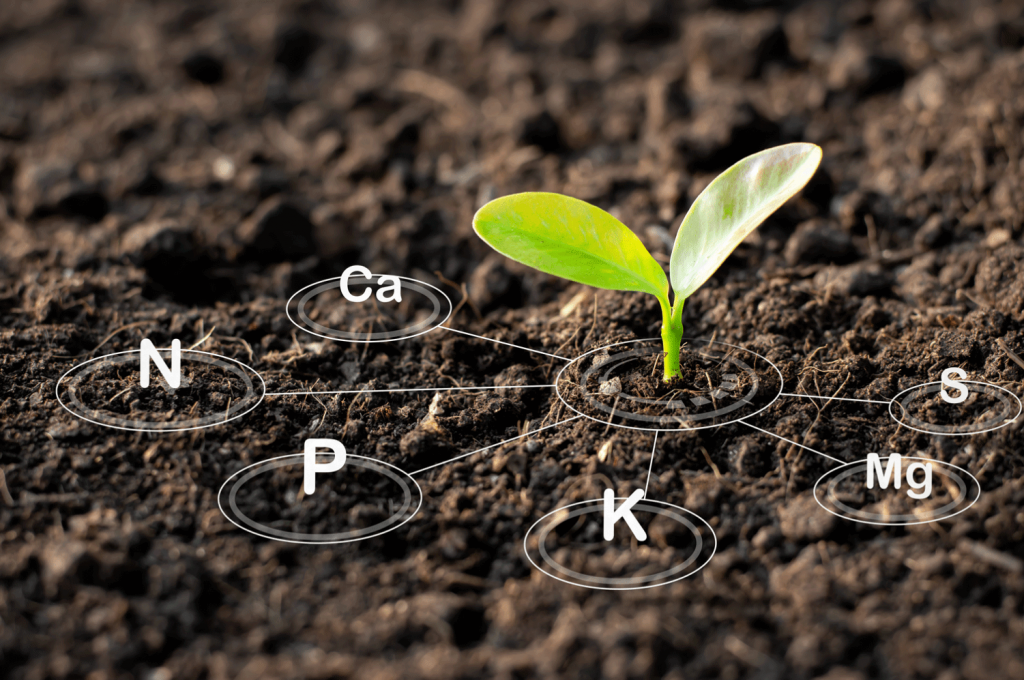
Adding compost to a garden bed will help plant growth by loosening the soil and making it drain better. Spreading it over the soil around a tree helps the roots grow underground. Compost increases the populations of healthy soil organisms that support plants, such as helpful bacteria, fungi, and earthworms.
Sustainable and Thrifty
Composting is thrifty, since all the materials are free. It’s also a sustainable choice, since it saves on emissions from trucking landscape waste around. The nutrients from dead plants will stay in your yard to be reused by living plants.
What to Put in Your Compost
Materials Guide
| Category | Examples |
|---|---|
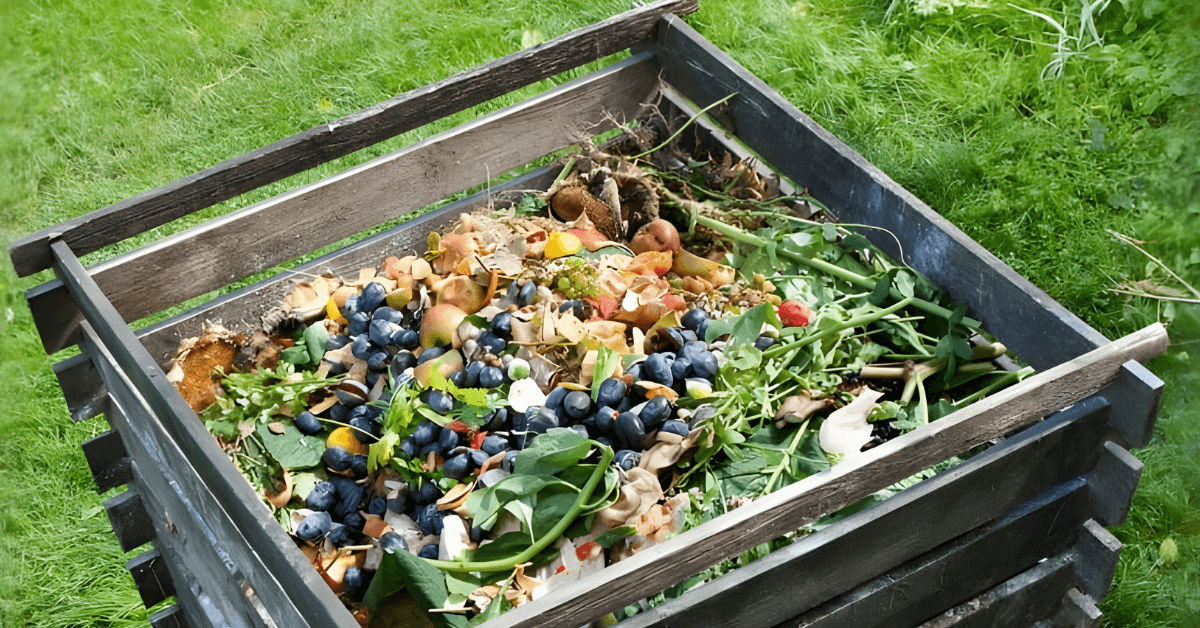
| Yard Waste | Leaves, twigs, stalks, dead flowers, pulled weeds. |
| Kitchen Waste | Coffee grounds, fruit/vegetable peels, eggshells. |
| Avoid | Meat, fat, oil, and animal waste. |
Expert Tip
“A good compost pile will be mostly yard waste, with maybe some kitchen scraps mixed in,” says Sharon Yiesla, plant knowledge specialist. It needs a mixture of materials to support a variety of organisms.
Smaller pieces decay faster: shredded leaves turn to compost much quicker than whole ones.
The Perfect Mixture: Browns and Greens
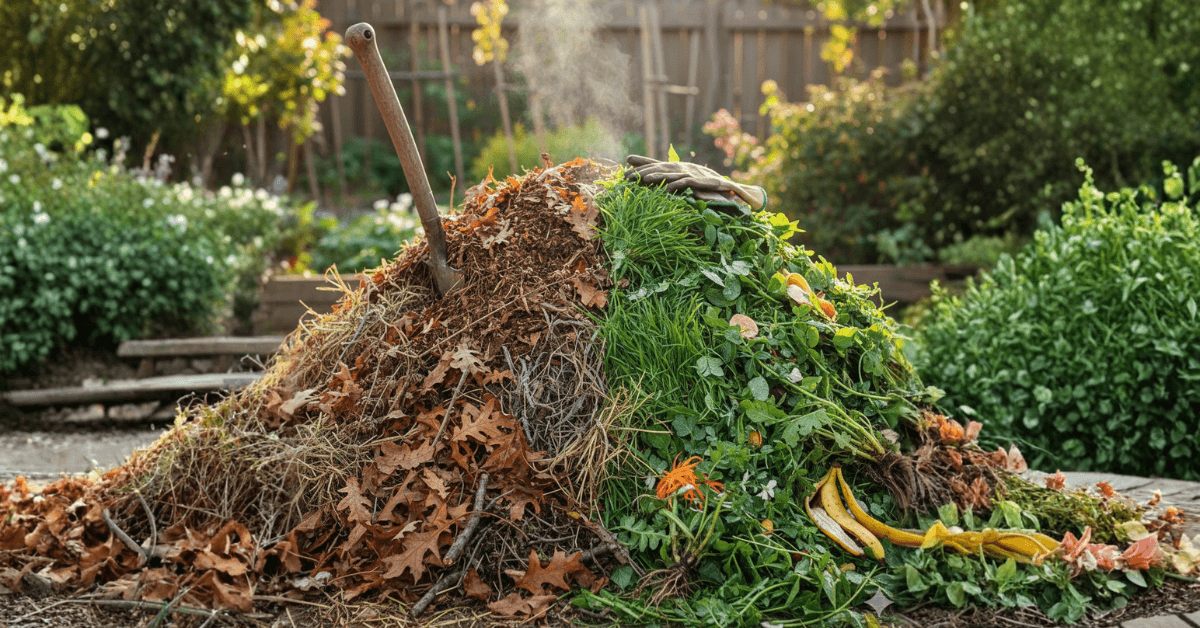
Carbon-Rich (Browns)
These are "old, brown, dead things" like fallen leaves, dead plants, old perennial stalks, or straw. In most Midwestern yards, trees provide plenty of autumn leaves that form a carbon-rich foundation.
Nitrogen-Rich (Greens)
These are "fresher, green things" like grass clippings, bloomed-out annuals, leafy twigs from pruning, vegetable peelings, and weeds (without mature seeds).
Maintenance and Care
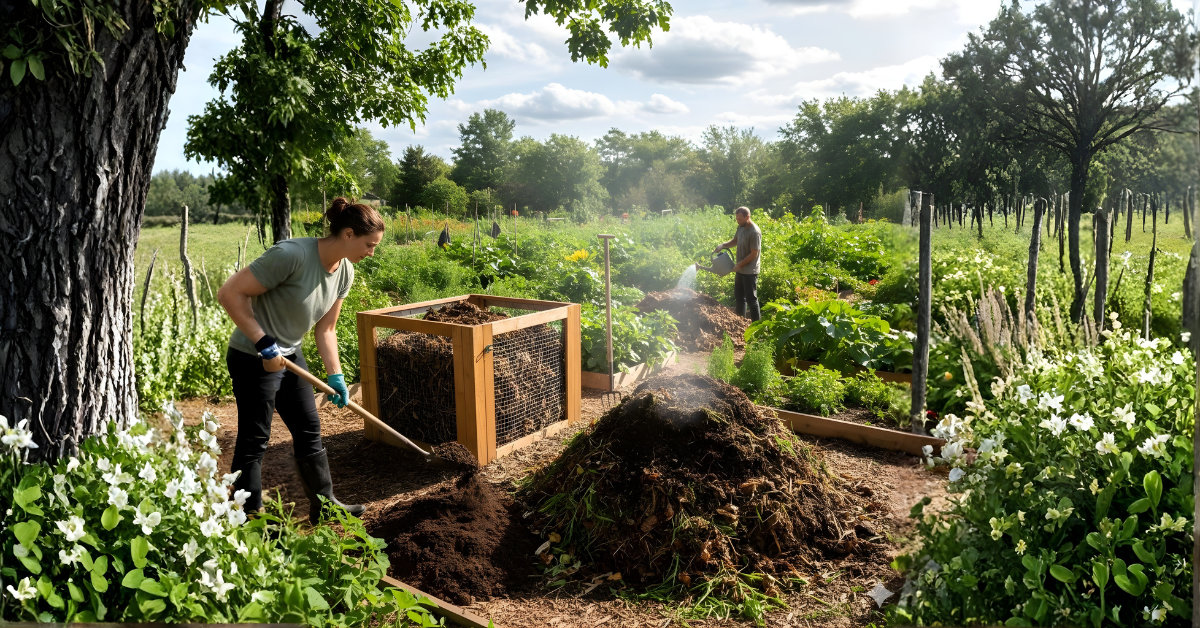
Starting and Sizing
For a new compost pile, mix in a shovel full of garden soil to introduce necessary microorganisms. Aim for a pile at least 3 feet high and wide to hold in warmth and moisture. You can use a simple heap or a well-ventilated bin.
Moisture and Oxygen
In dry weather, water the pile until it's as damp as a wrung-out sponge. Turning it with a shovel every few weeks lets oxygen in. If it starts to smell, it needs more air—just turn the pile to solve the problem.
How to Use Your Finished Compost
When compost is ready (after a few months), it will be dark brown and crumbly with an earthy smell. Harvest the finished compost from the center and return un-decomposed pieces to the pile.
Common Uses: Use it as a surface mulch around trees, shrubs and perennials, scatter it on the lawn to improve soil, or dig it into the soil of a new planting bed.
As you continually add homemade compost, you will steadily improve your soil, just as nature has for millions of years.









Leave a Reply