
Nursery-Grown Plants for Landscaping Projects: Examples, Tips, and Benefits

Nursery-grown plants play a vital role in landscaping projects, offering a wide range of options for creating beautiful, functional, and sustainable outdoor spaces. By selecting the right nursery-grown plants, landscapers and homeowners can achieve their design goals while ensuring plant health and minimizing environmental impact. Here’s a comprehensive look at nursery-grown plants for landscaping projects, including examples, tips, and benefits.
Benefits of Nursery-Grown Plants
1. Quality and Health: Nursery-grown plants are typically well-cared for, ensuring they are healthy and vigorous when planted in landscapes.
2. Variety and Selection: Nurseries offer a wide variety of plants, including native species, ornamentals, and edible plants, allowing for diverse landscape designs.
3. Establishment and Success: Properly grown nursery plants often establish quickly in landscapes, leading to successful outcomes.
4. Convenience: Nursery-grown plants are readily available for purchase and can be selected based on specific landscape needs.
Types of Nursery-Grown Plants for Landscaping
1. Trees: Nursery-grown trees provide shade, structure, and habitat in landscapes.
2. Shrubs: Shrubs offer texture, color, and screening in landscape designs.
3. Perennials and Annuals: Flowers add color, texture, and interest to landscapes seasonally.
4. Native Plants: Nursery-grown native plants support local ecosystems and often require less maintenance.
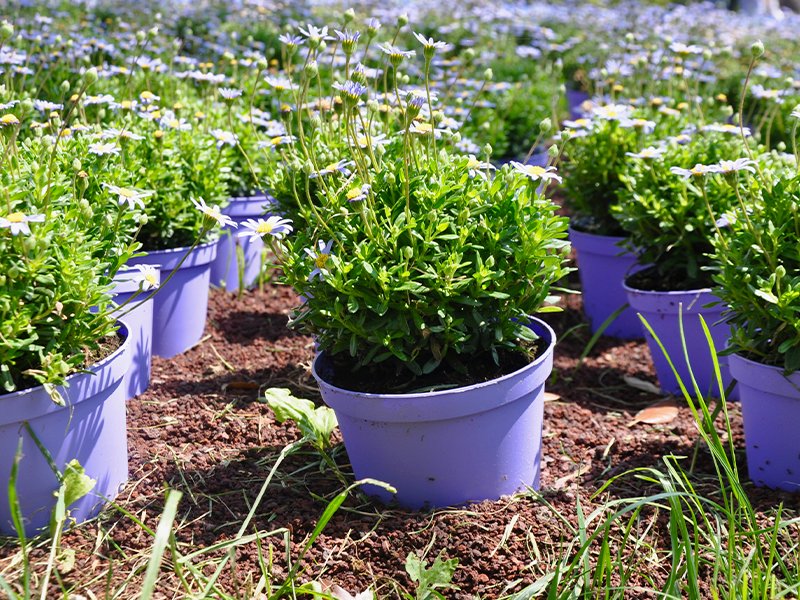
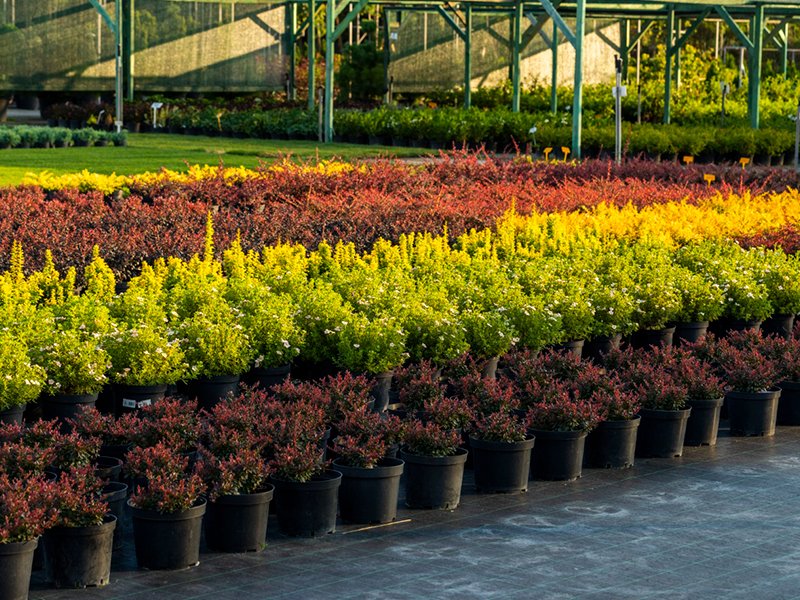
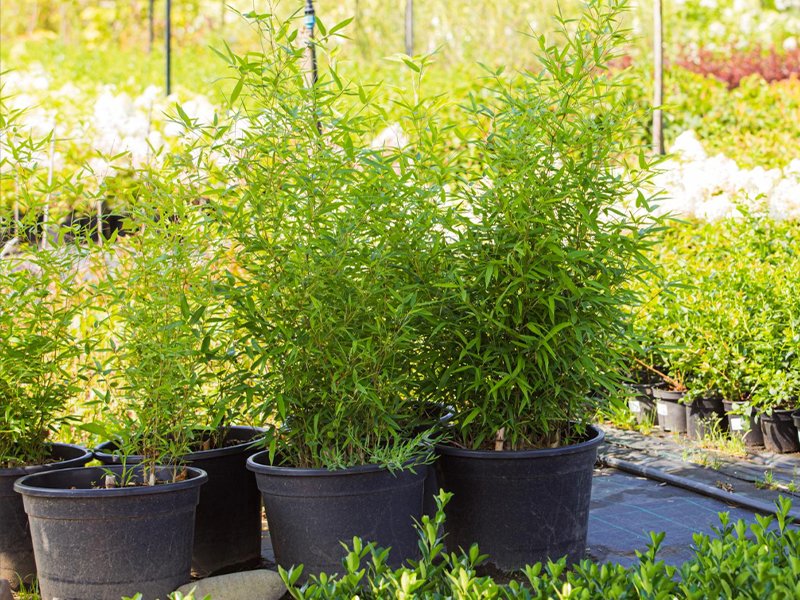

Examples of Nursery-Grown Plants in Landscaping
1. Shade Trees like Oak or Maple: Provide shade and structure in residential and commercial landscapes.
2. Flowering Shrubs like Hydrangea or Rose: Add color and texture to landscape borders and beds.
3. Perennials like Coneflowers or Black-Eyed Susans: Offer low-maintenance color and support pollinators in landscapes.
4. Native Grasses like Switchgrass: Provide texture and movement while supporting local wildlife.
Tips for Selecting and Using Nursery-Grown Plants
1. Choose Plants Suited to Site Conditions: Match plants to local climate, soil, sunlight, and moisture conditions for best success.
2. Consider Maintenance Needs: Select plants based on desired maintenance levels for the landscape.
3. Plan for Growth and Space: Consider the mature size of plants to avoid overcrowding and ensure proper spacing.
4. Inspect Plant Health: Choose healthy plants with no signs of disease or pests for best establishment.
Best Practices for Planting Nursery-Grown Plants
1. Proper Planting Techniques: Follow guidelines for planting depth, watering, and mulching to ensure plant establishment.
2. Watering and Aftercare: Provide adequate water and care after planting to help plants establish in their new environment.
3. Monitor for Pests and Diseases: Keep an eye on plants for signs of stress, pests, or diseases and address issues promptly.
4. Mulching: Apply mulch around plants to retain moisture, suppress weeds, and regulate soil temperature.
Challenges and Considerations
1. Cost and Budget: Consider costs of nursery-grown plants in budget planning for landscaping projects.
2. Availability: Availability of specific plants may vary by season or nursery.
3. Planting Timing: Timing of planting can affect establishment and success of nursery-grown plants.
By selecting and using nursery-grown plants thoughtfully, landscapers and homeowners can create attractive, functional, and sustainable landscapes that meet their goals and enhance outdoor spaces.











Leave a Reply