
Pruning and Grooming Plants for Winter Health: A Comprehensive Guide
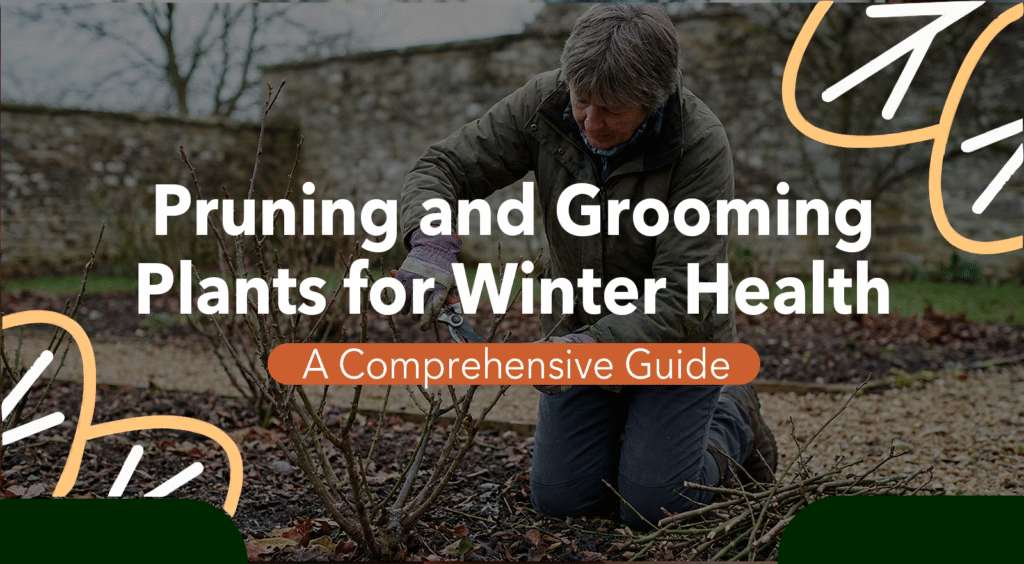
As the days shorten and temperatures drop, preparing your plants for winter becomes essential to ensure their health and vitality come spring. Pruning and grooming are not just about tidying up your garden—they’re critical practices that promote plant resilience, prevent disease, and encourage robust growth when the warmer months return. In this 1500-word guide, we’ll dive into the best strategies for pruning and grooming your plants for winter health, covering everything from trees and shrubs to perennials and houseplants.
Why Prune and Groom
for Winter?
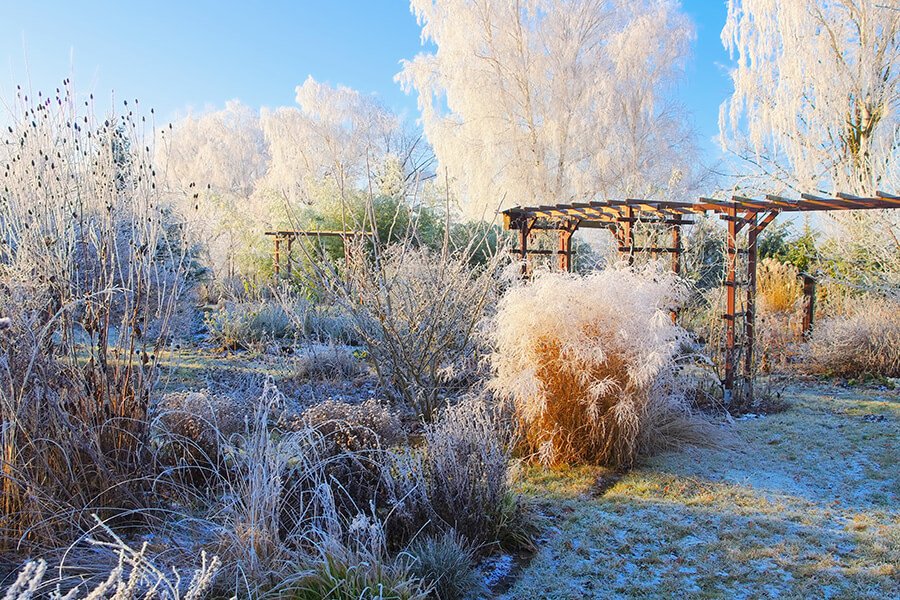
Winter can be harsh, with cold winds, heavy snow, and fluctuating temperatures posing threats to your plants. Proper pruning and grooming:
- Remove dead or diseased wood, reducing the risk of pests and diseases.
- Shape plants for better structure, preventing snow damage.
- Encourage healthy growth by directing energy to strong roots and branches.
- Improve air circulation, minimizing moisture buildup.
When to Prune
- Dormant Season (Late Fall to Early Spring): Ideal for most trees, shrubs, and perennials. Avoid pruning in late winter/early spring when buds swell, as it can stimulate early growth vulnerable to frost.
- After Blooming: For spring-flowering shrubs (e.g., azaleas), prune immediately after they finish blooming.
- Avoid Extreme Cold: Don’t prune during severe frosts or when plants are stressed.
Pruning Techniques
1. Deciduous Trees and Shrubs
- Remove Dead/Diseased Wood: Cut back to healthy tissue, making clean cuts just above a bud.
- Thin Out Crowded Branches: Improve airflow and light penetration. Remove crossing or rubbing branches.
- Shape for Structure: Cut back weak or awkward branches to maintain a balanced shape. For young trees, establish a strong central leader.
2. Evergreens (Conifers, Hollies)
- Minimal Pruning: Avoid heavy cuts—focus on removing dead needles or shaping lightly to maintain form.
- Snow Management: Gently shake off snow to prevent limb breakage. For broad evergreens, consider tying branches loosely.
3. Perennials and Grasses
- Cut Back Herbaceous Perennials: Trim to 2–3 inches above ground after frost kills foliage (e.g., hostas, daylilies).
- Leave Seed Heads: For winter interest and wildlife food. Cut back in early spring before new growth.
- Ornamental Grasses: Cut back in late winter/early spring, depending on type (e.g., pampas grass).
4. Fruit Trees and Bushes
- Remove Dead/Diseased Wood: Prevent disease spread.
- Thin Fruit Spurs: Encourage larger, healthier fruit next season.
- Shape for Sunlight: Open up the canopy for better air circulation.
5. Roses
- Hybrid Teas/Shurbs: Cut back to 12–18 inches, remove dead canes.
- Climbing Roses: Prune after flowering, tie canes for winter protection.
- Mulch Heavily: Add 3–4 inches around the base.
Grooming Tips for
Winter Health
- Clean Up Debris: Remove fallen leaves, dead plants, and weeds to reduce disease harboring.
- Mulching: Apply 2–4 inches of organic mulch around plants to insulate roots and retain moisture.
- Protect Trunks: Wrap young or thin-barked trees with burlap or tree guards to prevent sunscald and rodent damage.
- Stake or Tie Plants: Secure top-heavy plants or young trees to prevent snow/wind damage.
- Check Supports: Ensure stakes and ties aren’t too tight, allowing for growth.
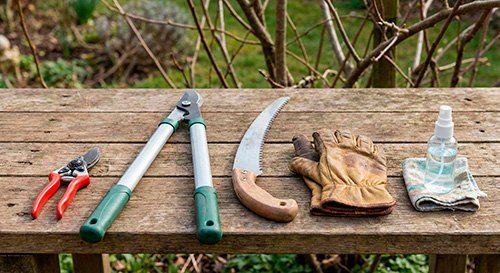
Tools You’ll Need
- Pruning Shears/Secateurs: For small branches.
- Loppers: For thicker branches (1–2 inches).
- Saw: For larger limbs.
- Gloves: Protect hands from cuts and cold.
- Disinfectant: Clean tools between cuts to prevent disease spread.
Common Mistakes to Avoid
- Over-Pruning (“Topping”): Weakens plants, promotes weak growth.
- Pruning at the Wrong Time: Stimulates new growth vulnerable to frost.
- Leaving Stubs: Invites disease; cut close to the main stem.
- Ignoring Cleanup: Leaves debris that harbors pests/diseases.
Winter Grooming for Indoor Plants

- Dust Leaves: Wipe with a damp cloth to boost light absorption.
- Prune Leggy Growth: Encourage bushier growth in spring.
- Check for Pests: Isolate if needed, treat with neem oil.
- Reduce Fertilizing: Most houseplants need a break; focus on humidity and light.
Post-Winter Care
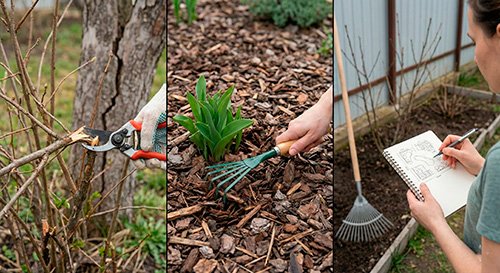
- Inspect for Damage: Check for broken branches, cracks, or disease in early spring.
- Remove Mulch Gradually: As growth starts, reduce the mulch layer.
- Plan for Spring: Note areas for new growth or adjustments.
Conclusion
Pruning and grooming in winter aren’t just chores—they’re investments in your garden’s future. By taking the time to tidy up, protect, and shape your plants now, you’ll enjoy a healthier, more vibrant landscape when spring arrives. Grab your tools and get ready to give your garden the care it needs to thrive!










Leave a Reply