
Watering Strategies for Plants During Winter Dormancy: A Comprehensive Guide
As winter blankets the landscape in a crisp layer of frost, many plants enter a period of dormancy, a natural survival mechanism that allows them to conserve energy and withstand the cold. While it might seem counterintuitive, proper watering during this phase is crucial for their health and readiness to thrive come spring.
Understanding Winter Dormancy
Dormancy is a period when plants slow down their growth, often shedding leaves or appearing inactive. This process helps them conserve energy, but it doesn’t mean they don’t need water. The key difference is that their water needs decrease significantly due to reduced metabolic activity and evaporation.
Key Influencing Factors:
- Temperature: Cold slows down evaporation.
- Humidity: Dry indoor air increases moisture loss.
- Soil Type: Sandy soils drain faster; clay soils retain more water.
- Plant Type: Evergreens vs Deciduous needs.
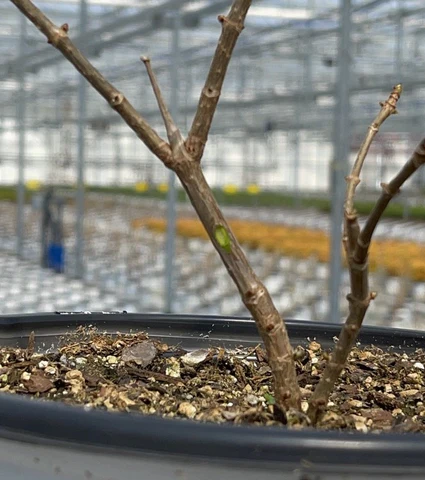
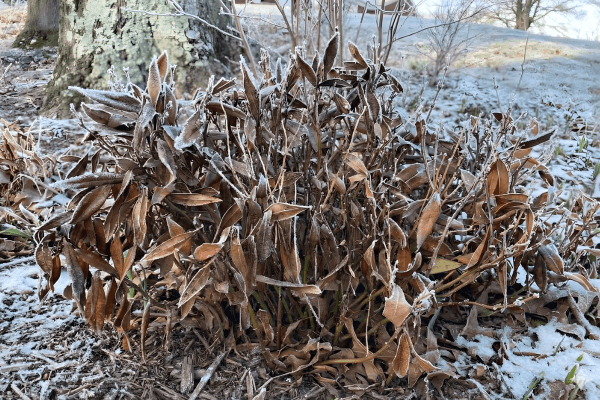
Signs Your Plants Need Water
Watering Strategies by Plant Type
Indoor Plants
Reduce Frequency: Water when top 1-2 inches are dry (every 4–6 weeks).
Use room temp water and ensure drainage. Increase humidity with pebble trays.
Outdoor Trees
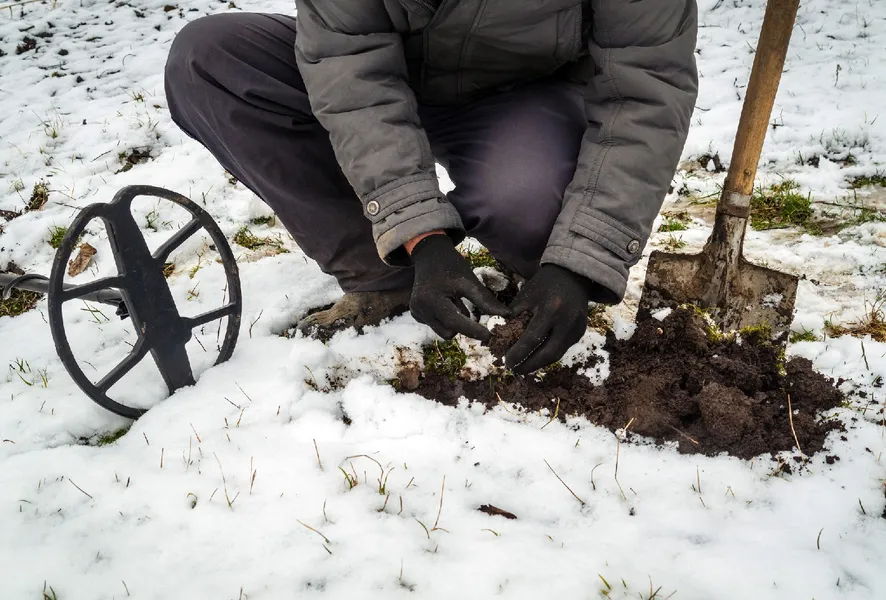
Soak Before Freeze: Deep water before ground freezes.
If no snow and soil is dry, water lightly every 4–6 weeks on warmer days.
Evergreens
Monitor Needles: Brown/brittle needles mean dehydration.
Water deeply in fall. In winter, water only if ground isn't frozen.
Succulents
Minimalist: Water only if soil is completely dry (6–8 weeks).
Avoid getting water on leaves/rosettes to prevent rot.
Deciduous
Hands Off: Usually rely on rainfall.
Focus on mulching (2-4 inches) to retain moisture rather than watering.
Common Mistakes
- Overwatering: Leads to root rot in cold soil.
- Ignoring Humidity: Dry heating kills indoor plants.
- Skipping Mulch: Exposes roots to temperature swings.
- Using Cold Water: Shocks root systems.
Best Practices
- Water in the morning (prevents night freezing).
- Water at the base, not the foliage.
- Move sensitive containers to shelter.
- Use snow cover as natural insulation.
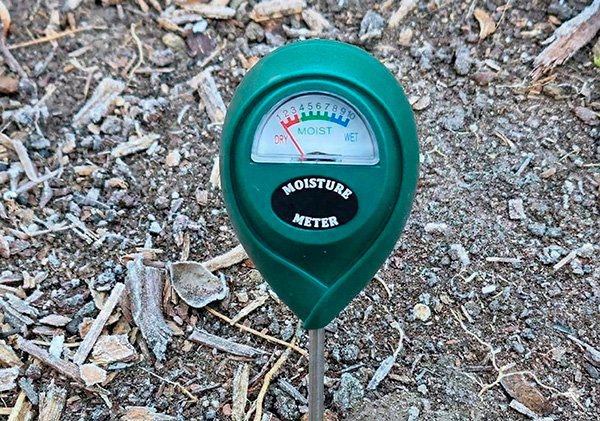
Essential Tools









Leave a Reply