
Winterizing Outdoor Plants: Mulching and Protection Techniques for a Thriving Spring
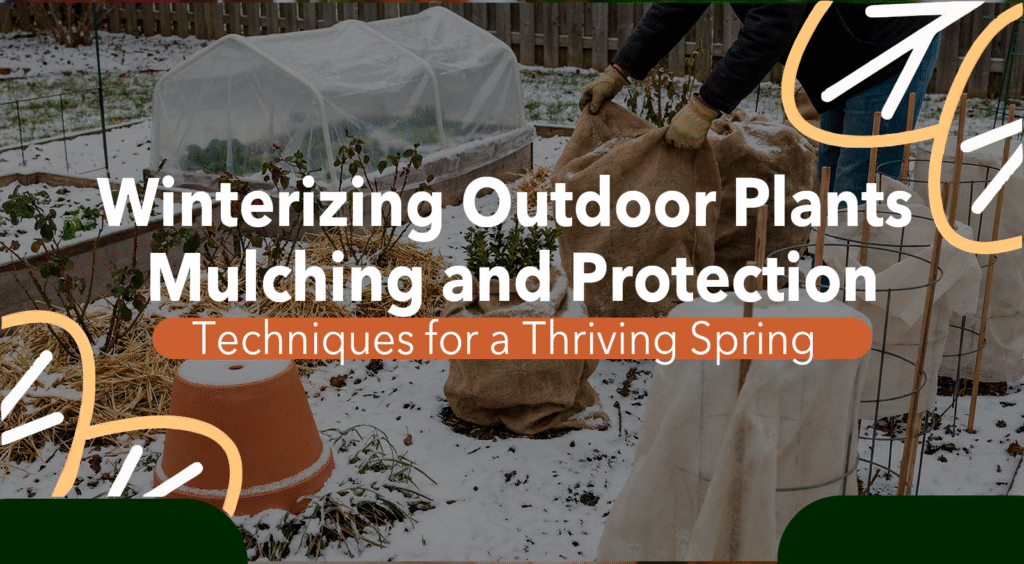
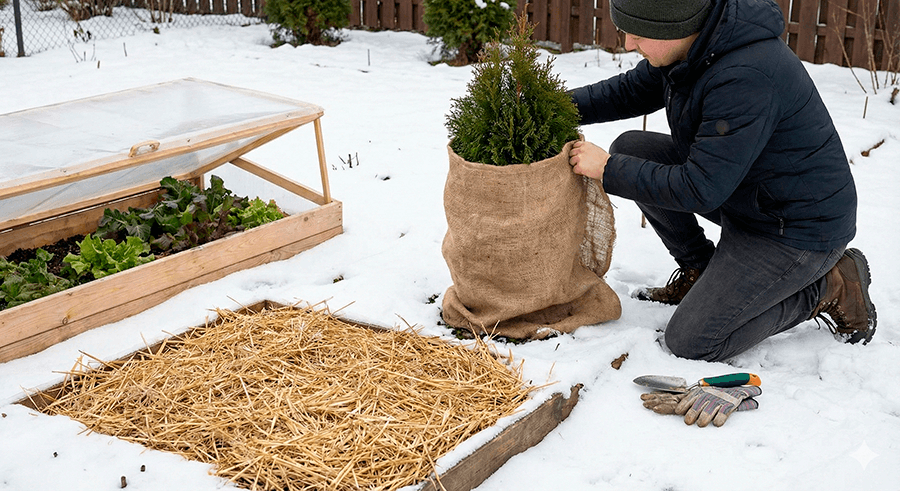
As winter approaches, safeguarding your outdoor plants from freezing temperatures, harsh winds, and snow becomes crucial. Proper winterization not only protects your investments but also sets the stage for a vibrant, healthy garden come spring. In this guide, we’ll dive into effective mulching and protection techniques to help your outdoor plants survive the cold months and thrive when warmth returns.
Why Winterize Your Outdoor Plants?
Winter poses several threats to plants that can cause irreversible damage if left unchecked:
- Freezing Temperatures: Can damage or kill tender roots, stems, and buds.
- Dehydration: Cold, dry winds pull moisture from plants (desiccation).
- Snow and Ice: Heavy loads can break branches, while ice damages foliage.
- Pests and Diseases: Debris and moisture buildup encourage problems.
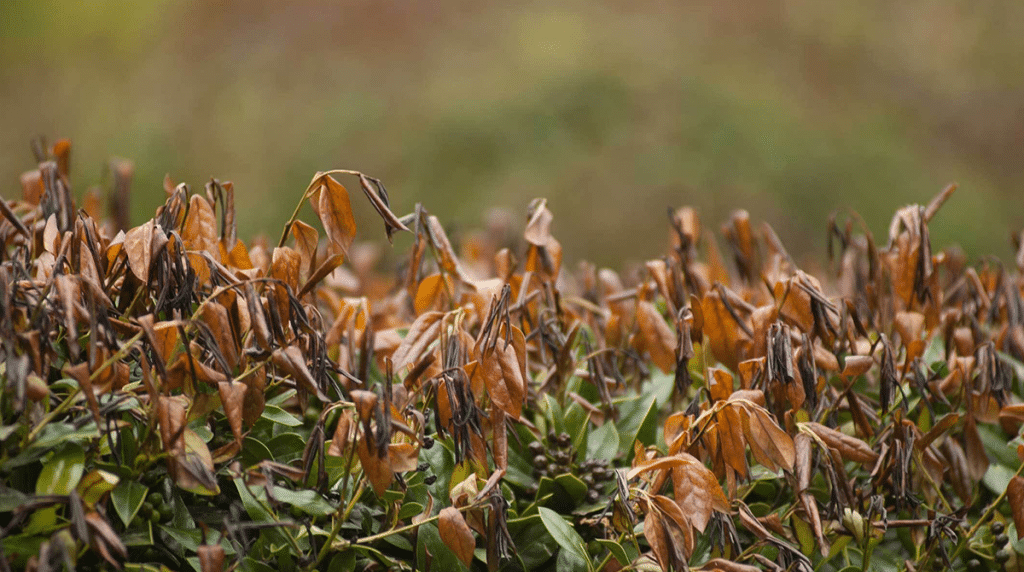
Preparing your plants helps insulate roots, reduce water loss, and minimize physical damage.
Mulching: The First Line of Defense
Mulch acts like a blanket for your plants, regulating soil temperature and retaining moisture.
Best Mulch Types
Organic: Wood chips, straw, leaves, bark. (Add 2–4 inches).
Inorganic: Gravel, stones (Good for drainage, less insulation).
How to Apply
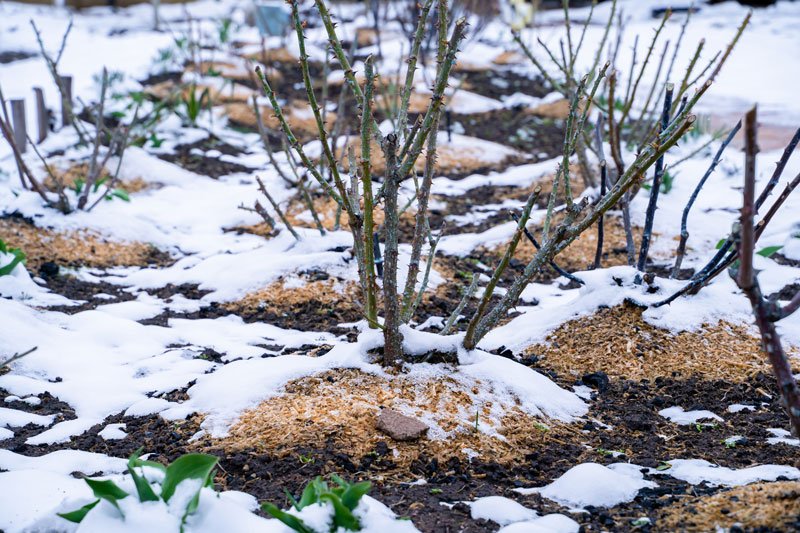
Apply a thick layer (3–4 inches) after removing weeds. Crucial: Keep mulch away from the stem to avoid rot.
Specific Strategies:
- Trees/Shrubs: Mulch in a donut shape, 6–12 inches from the trunk.
- Perennials: Apply after the ground freezes to avoid creating pest nests.
- Bulbs: A light layer (2–3 inches) protects without suffocating.
Protection Techniques by Plant Type
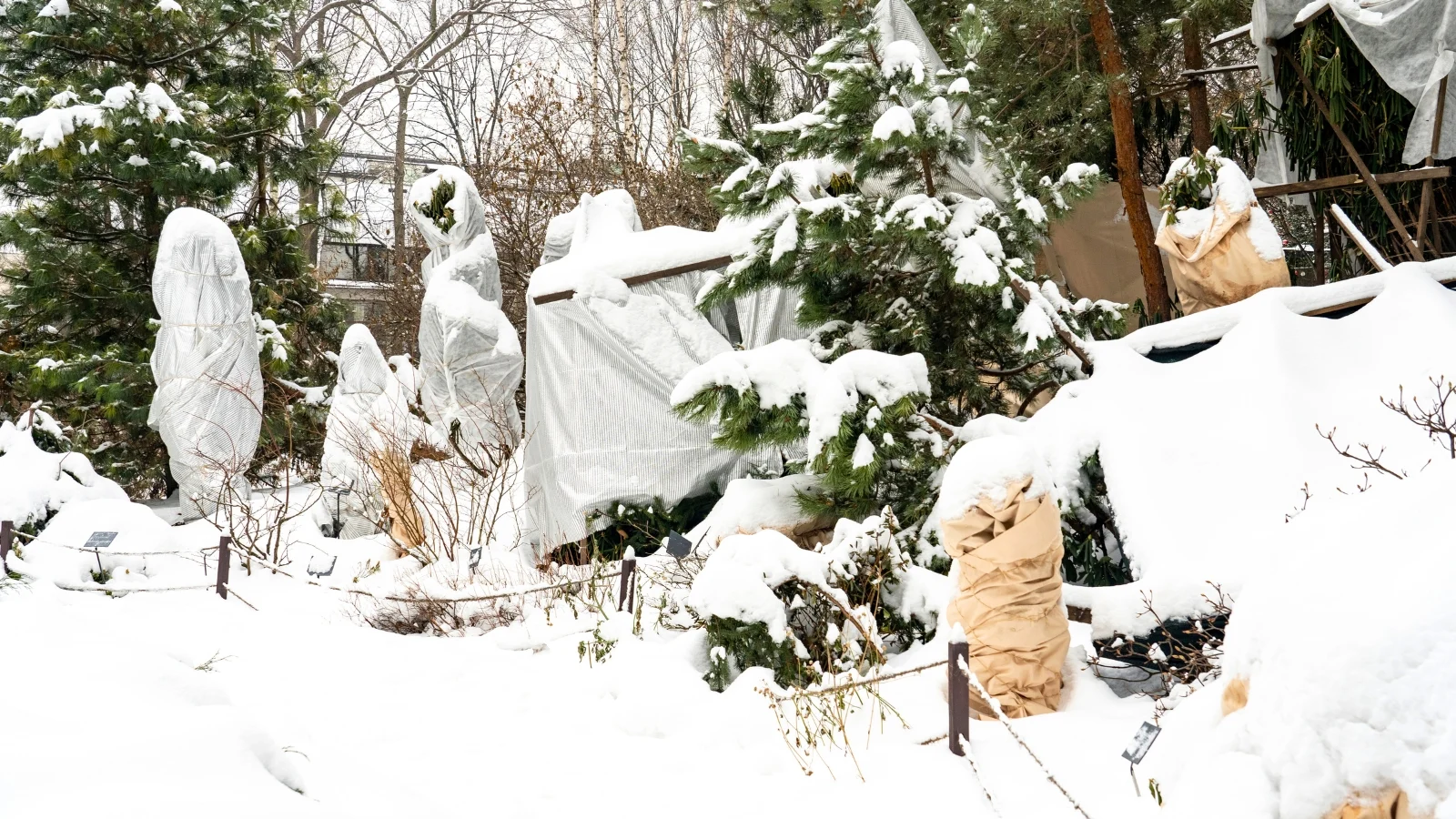
Trees & Shrubs
Wrap trunks with burlap to prevent sunscald. Use anti-desiccant sprays on evergreens. Tie upright branches to prevent snow breakage.
Perennials
Cut back dead stems to 2–3 inches. Use breathable frost cloth for extra protection in harsh areas.
Roses
Mound soil 8–12 inches around the base. Wrap climbing canes with burlap or straw.
Container Plants
Move to a garage or shed. Wrap pots in bubble wrap for insulation. Water sparingly.
Common Mistakes to Avoid
Mulching Too Early
Encourages rodents to nest. Wait until the ground freezes.
Volcano Mulching
Piling mulch against stems leads to rot. Always leave space.
Plastic Covers
Non-breathable covers trap moisture and promote mold. Use burlap or frost cloth.
Tools & Spring Transition
Essential Tools: Mulch, Burlap/Frost Cloth, Twine, Shovel, Anti-desiccant Spray, Thermometer.
When Spring Arrives
- Remove Mulch Gradually: As growth starts, pull back mulch to avoid rot.
- Unwrap Plants: Check for damage and prune dead parts.
- Resume Watering: Increase water as plants show new growth.
Ready for Spring?
Winterizing your outdoor plants ensures they emerge stronger. Take the time now to shield your garden, and you’ll enjoy a lush, vibrant landscape when the snow melts.










Leave a Reply